
Education - Every death doula is also an educator
Peer Tree Partners hosts Death Circles - In our death circle we will briefly touch on and then discuss the following topics:
What does Peer Tree Partners do when they say death work?
Legacy Doula
The 11th Hour - What is a doula’s role
Ceremonialist
Ethics and Boundaries
Who is this circle for?
Caregivers - family or paid, anyone providing caregiving
Medical Peer Support Specialists
Hospice workers
Mourners
Anyone interested in learning more about death work

Death Doula
Peer Tree Partners is dedicated to providing you with a supportive space and trusted guidance as you make deeply personal decisions about your care and legacy.is here to support you as you decide what is best for you and your family.
End-of-Life Planning
An End-of-Life Plan outlines your wishes for your remains and any memorial services and a Last Will describes how your assets will be distributed. While you do not need a Last Will in order to create an End-of-Life Plan, both documents are part of a well-rounded estate plan.
What is an End-of-Life Plan?
An End-of-Life Plan is an estate planning document outlining your final memorial and burial wishes. This can include details like whether you want a formal service and how you want your remains handled.
An End-of-Life Plan is also known as a:
Funeral planning document
Final wishes document
Last wishes document
Burial instructions
Think of an End-of-Life Plan like a checklist or guide detailing how you want your friends and family to celebrate your life. Outlining your wishes helps your family because they won’t have to guess about what you want and make tough decisions while they grieve.
An End-of-Life Plan is only one of the essential estate planning documents that every adult should make. To help prepare your loved ones for the future, having these documents ready will further help them should anything happen to you:
These documents will give your family peace of mind, knowing they can follow through with all your final wishes regarding financial responsibilities, medical care, and more.
Why is having an End-of-Life Plan important?

To ensure your wishes are clearly expressed and fully upheld, our local attorneys are available to assist you with these tasks.
SKH Family Law & Estate 552 Commercial St, Astoria OR 97103
Kelly M Stearns, Attorney at Law 1139 Exchange St, Astoria OR 97103
Coastal Land Law, LLC 675 Marlin Ave Ste 2, Warrenton OR 97146
Campbell & Popkin, LLC 1580 N Roosevelt Dr, Seaside OR 97138
Zuplaw Law Firm LLC 615 Broadway St #216, Seaside OR 97138
Seaside Attorneys 842 Broadway St, Seaside OR 97138
Law Office Michael A. Autio LLC 2740, 339 31st St Ste C, Astoria OR 97103
Local Resources

1. Appointee
An appointee is the person, or people, you choose to carry out your wishes to the best of their ability. An appointee can be a spouse or other reliable adult. Also, if you have an existing Will, your executor may also act as your appointee.
2. Announcement of your passing
This step details how you would like your appointee to inform people of your passing. Options can include a small, informal notice or an obituary.
3. Organ donations
Many people wish to help others after their passing through organ donation. In your End-of-Life Plan, state if you’re an organ donor to ensure your appointee and loved ones are aware of your wishes and reduce delays in medical personnel removing any donated organs.
If you’re not already an organ donor but wish to be one, you can register online through your state's donation page.
4. Your remains
Once you’ve passed, your family needs to know how you wish your remains to be handled or prepared for burial. This can include being:
Buried in a cemetery or private plot
Entombed in a mausoleum
Donated to medical science or education
Cremated and having your ashes buried, entombed, given to a loved one, or spread at a specific location
5. Funeral wishes
Creating your End-of-Life Plan includes providing your family with your wishes for your funeral. Types of arrangements include:
Funeral
Graveside service
Memorial service
Visitation or viewing
While outlining your funeral wishes, include any specific religious or spiritual traditions you may want your family to conduct.
6. Financial planning
To help your family follow through with your requests, you can include details on the funding for your final wishes, such as burial and funeral services. In your plan, you can indicate if you have put aside savings specifically for these plans or if your estate will reimburse any costs.
7. Final thoughts and messages
To finish up your End-of-Life Plan, you can leave any final thoughts or messages for your loved ones. Write them in your End-of-Life Plan for them to read upon your passing.
8. Any other final instructions
Our questionnaire allows you to highlight any further instructions you wish your loved ones to have that may be more specific. For example, if you want a memorial or funeral service, you may decide to have family and friends donate to a charity of your choice rather than send flowers for the service.
Your End-of-Life Plan Should Include
Legacy Doula
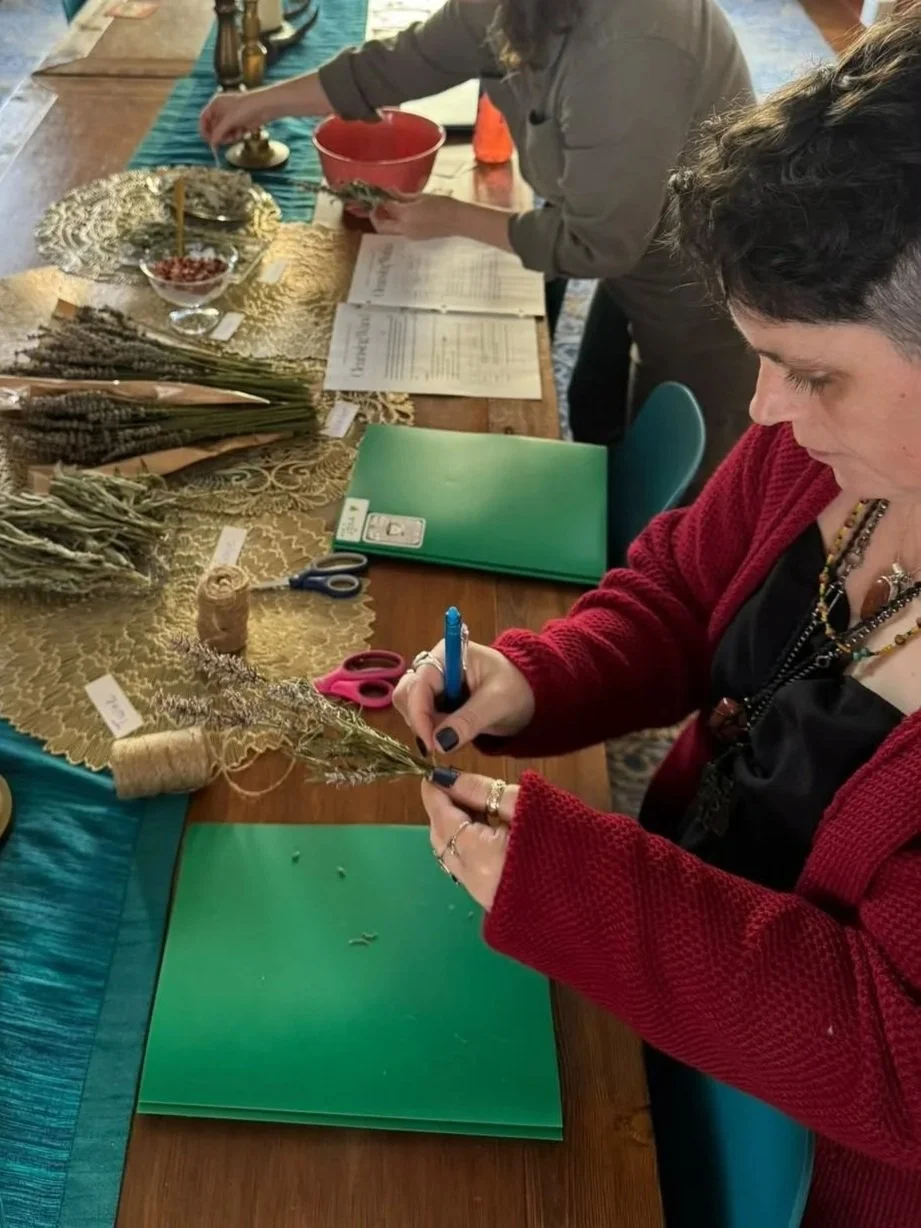
The 11th Hour Doula
What an 11th-Hour Death Doula Does
We are here for you, exactly where you are. Whether you are at home, in the hospital, or at a hospice facility, our care wraps around you and your family. We work hand-in-hand with your hospice and medical teams to ensure you are never left without guidance. When the health system feels stretched or unavailable, we step in to provide a steady, comforting presence.
We don't replace your medical care. Instead, we walk beside you to handle the emotional weight, the practical needs, and the logistics of this sacred time. Our sole purpose is to fill the gaps that busy medical teams often cannot—giving you the time, deep presence, and unbroken support you truly deserve.
Active Vigil Support: Sits bedside during the final transition, holding space and maintaining a peaceful, calm environment.
Caregiver Reassurance: Explains normal physical signs and symptoms of the active dying phase to ease family anxiety.
Sensory Guidance: Uses soothing elements like soft music, gentle touch, Reiki, or reading to comfort the dying person.
After-Death Support: Guides families through the initial hours following death, helping with immediate next steps before the funeral home arrives
What is Legacy Work?
A legacy death doula is a trained, non-medical professional who helps a dying person reflect on their life and create tangible meaningful projects to leave behind for loved ones.
Life Review: Guided conversations to process memories, accomplishments, and important life lessons.
Tangible Projects: Creating scrapbooks, photo albums, recipe books, or video/audio diaries.
Personal Letters: Writing farewell letters, ethical wills, or tailored notes of wisdom for family members and friends.
Creative Expression: Using art, music, or poetry to articulate feelings and values that outlive the individual
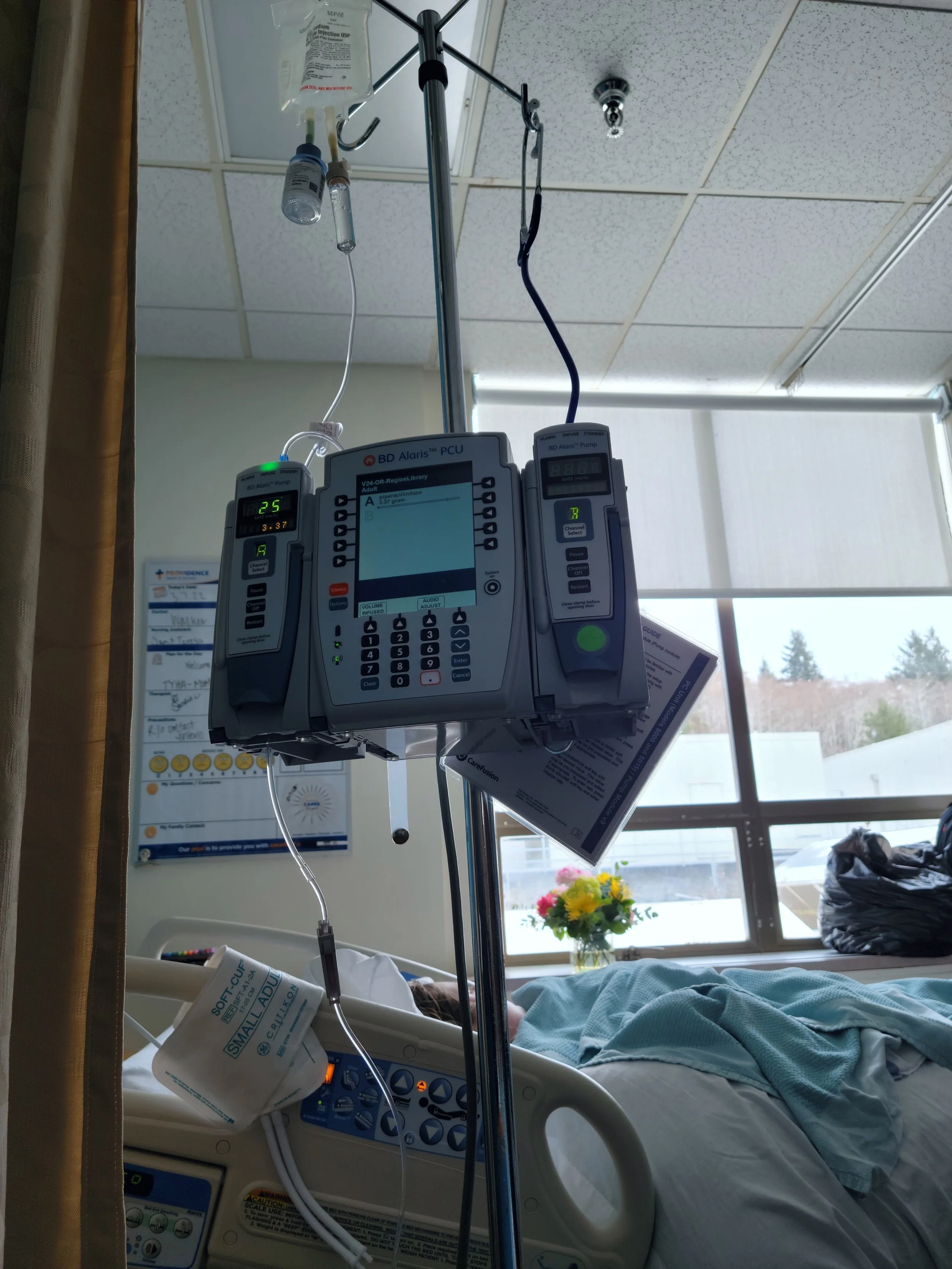
Death Coach
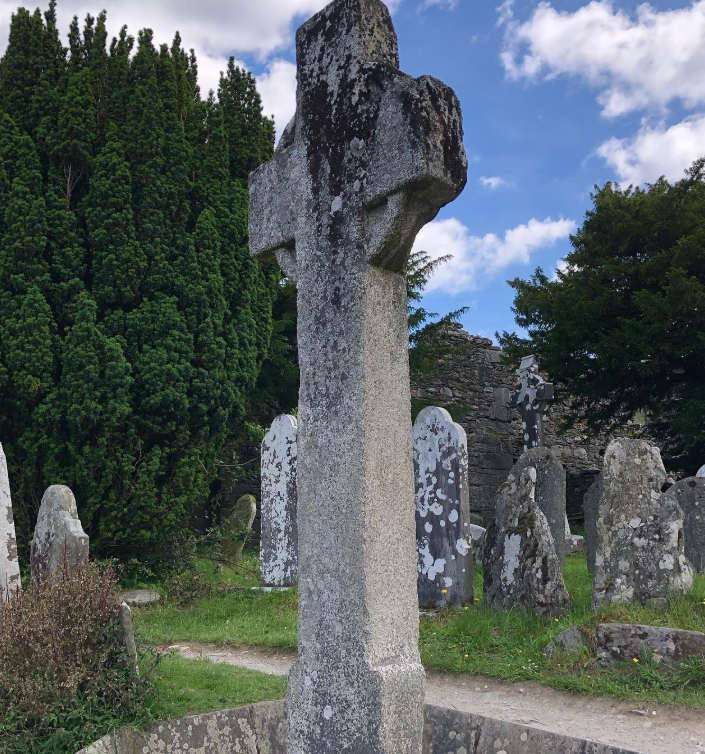
A Death Coach can:
Bring peace to overwhelmed families by gently widening their perspective and relieving the pressure of trying to do everything perfectly.
Guide you with gentle education on how to tenderly care for and comfort your loved one’s changing body.
Craft deeply personal resources tailored entirely to your family’s unique wishes and heartfelt goals.
Introduce the comforting option of a death doula if your family prefers to focus solely on being present as loved ones, rather than caretakers.
Build a harmonious bridge with hospice and medical teams, working hand-in-hand to ensure you feel fully wrapped in support without any friction.
A Death Coach offers a gentle, grounding presence designed to wrap caretakers in support rather than focusing directly on the dying person. This distinct role allows them to hold space for more families at once, extending their warmth and guidance to a wider community in need.
Because they don't step into an intensive 11th-hour vigiling role, their presence remains focused on steady, long-term emotional scaffolding. They never compete or conflict with the essential medical care provided by hospice or nurses. Instead, they walk hand-in-hand with social workers, building a compassionate safety net that empowers caretakers to navigate their journey with confidence and peace.

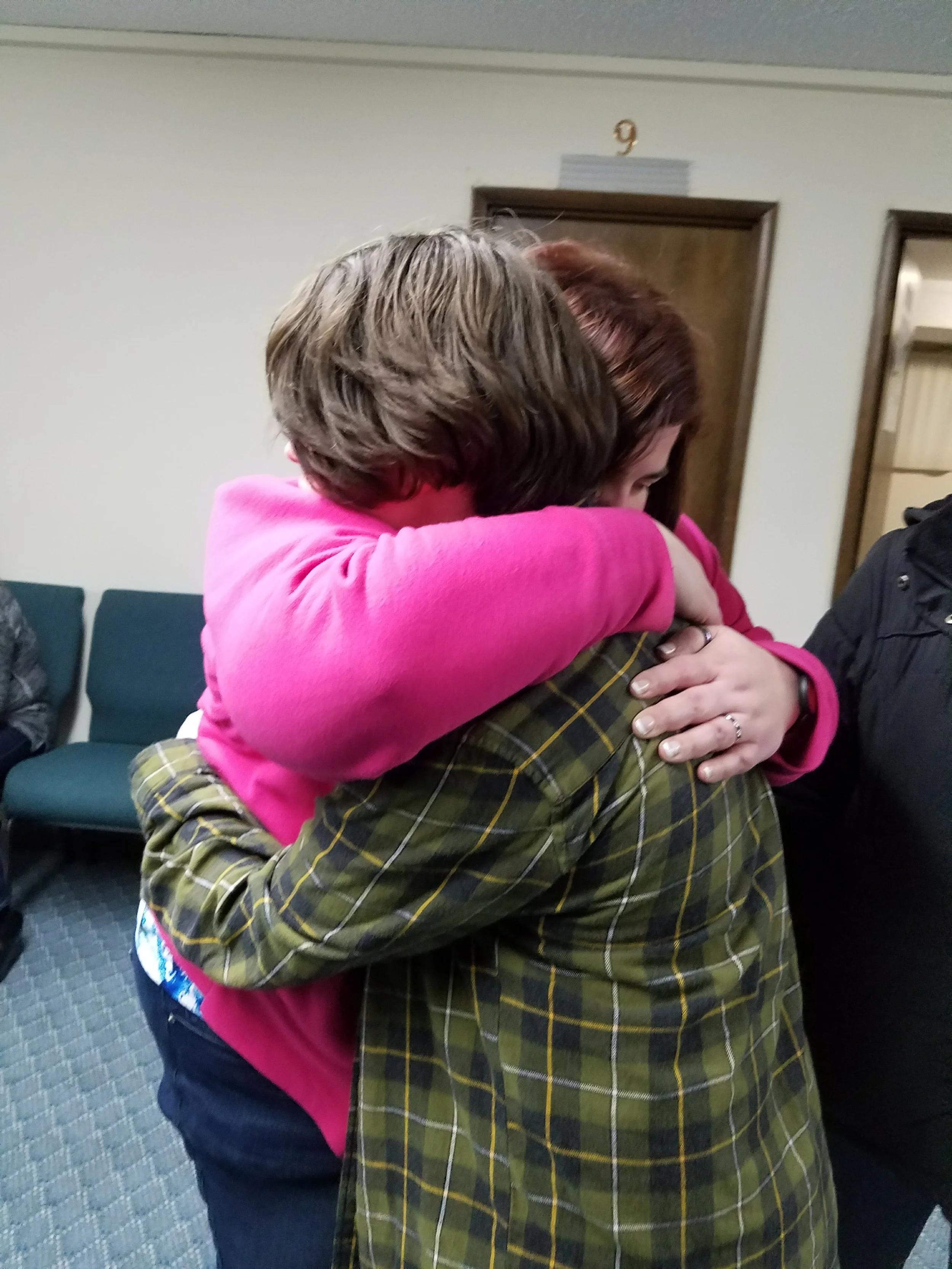
As a Death Coach, my heart is fully dedicated to supporting caregivers. I walk beside you through every step of this tender journey, offering gentle guidance and practical help by:
Mapping the way forward. Together, we will gently clarify your goals and map out a peaceful, organized path ahead so you never feel lost.
Gathering your resources. I help you find and organize the practical tools, support, and community resources you need to lighten your daily load.
Guiding your community. Families and support networks can be complex. I help you navigate these relationships smoothly, keeping everyone aligned in love and care.
Demystifying the end of life. I provide gentle education about the final stages and your options, bringing clarity and comfort to the unknown.
Empowering your inner doula. I guide and train you to become a confident, loving death doula for your person, giving you the tools to care for them deeply.
Being your steady anchor. Above all, I am here as a devoted, supportive presence—your biggest cheerleader, holding space for your grief, your strength, and your love.
You have autonomy



We are here to support you as you make the choices that are right for you. Being a Death Practitioner means we are here to walk beside you through all the different questions and transitions.